
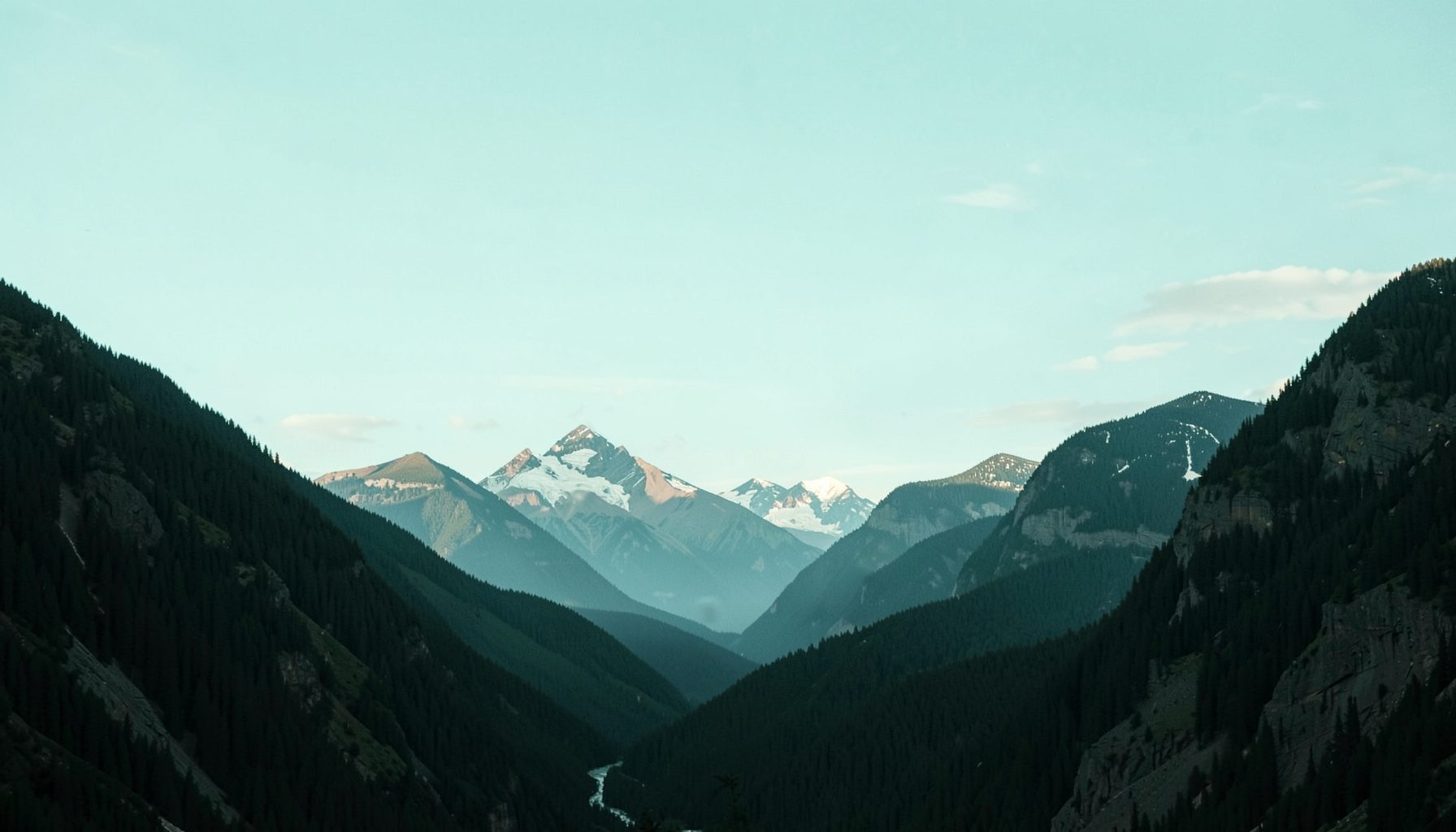

Tourism in Banff between conference sessions
Banff offers an unusually convenient setting for delegates attending a professional meeting. The town centre is compact, mountain scenery begins almost immediately beyond the streets, and many worthwhile activities can fit into a lunch break, an early morning, or an evening after the scientific program.
For attendees at the 2014 Annual Scientific Meeting of the Canadian Organization of Medical Physicists, sightseeing could provide a welcome change of pace from lectures, abstract presentations, business meetings, and CCPM examination activities. A little planning makes it possible to experience Banff without sacrificing the main purpose of the conference.
The best approach is to match each outing with the time available. Save nearby walks for short breaks, reserve longer drives for a free afternoon, and keep flexible options available for changing mountain weather.
Start with Banff’s walkable centre
Banff Avenue is the natural starting point for a brief exploration. Cafés, restaurants, galleries, outdoor shops, and local retailers line the main street, making it easy to find coffee, lunch, or a small souvenir without arranging transportation. A stroll north toward the Bow River adds mountain views and a quieter atmosphere within minutes of the commercial district.
The Bow River pathway is particularly useful between sessions. Delegates can walk toward the pedestrian bridge, pause for photographs, and return to the conference venue without committing to a demanding hike. Cascade of Time Garden, near the southern end of town, offers another peaceful stop with landscaped paths and views toward Cascade Mountain.
Those interested in local history can visit the Whyte Museum of the Canadian Rockies, which explores the region’s art, mountaineering, Indigenous history, and settlement. Its collections add context to the landscape seen from the streets and trails, while a short visit remains practical during a busy conference schedule.
Fit sightseeing around the program
A conference itinerary should come first. Scientific talks may run on a tight timetable, and registration activities, exhibitor visits, or committee meetings can occupy the spaces that initially appear free. Before leaving for an excursion, allow time to return, change clothes, and arrive prepared for the next session.
The archived medical physics program provides useful context for understanding how a delegate might balance technical sessions with local exploration. A morning presentation may pair well with an afternoon walk, while a full-day scientific schedule calls for a short evening outing rather than a distant attraction.
Banff’s compact layout supports this kind of flexible planning. A delegate staying near the venue can often reach restaurants and central viewpoints on foot. For attractions outside town, however, transportation time matters. Shuttle reservations, rental-car arrangements, parking restrictions, and seasonal operating hours should be checked before setting out.
Choose an outing by the time available
Different attractions suit different gaps in the schedule. Short walks are the safest choice when attendance is essential, while longer excursions require a clear block of several hours and dependable transportation. The following guide can help organize free time without treating every opening in the program as an opportunity for a major trip.
| Available time | Suitable activity | What to expect | Planning note |
|---|---|---|---|
| 30–60 minutes | Banff Avenue, Bow River, Cascade of Time Garden | Easy walking, shops, river views, photographs | Stay close to the venue |
| 1–2 hours | Whyte Museum, Banff Avenue meal, Vermilion Lakes drive | Local culture, dining, scenic viewpoints | Keep a return buffer |
| 2–4 hours | Banff Gondola, Tunnel Mountain area, Bow Falls | Elevated views or moderate outdoor activity | Check transport and weather |
| Half a day | Lake Minnewanka, Johnston Canyon, Lake Louise | Longer sightseeing and trail time | Plan road and parking time |
| Full day | Lake Louise and Moraine Lake area or an extended park excursion | Major mountain scenery and hiking | Reserve transportation and check access |
The Banff Gondola on Sulphur Mountain is a popular choice for delegates who want a dramatic view without spending an entire day on a trail. The summit boardwalk reveals broad panoramas of the Bow Valley, although queues, weather, and operating schedules can affect the total duration.
For a lower-cost alternative, Bow Falls and the paths near the Fairmont Banff Springs provide attractive scenery close to town. Vermilion Lakes is especially appealing around sunrise or sunset, when the still water can reflect the surrounding peaks. These places are better suited to a carefully timed visit than to an improvised dash between formal commitments.
Explore the trails safely
Banff National Park offers outdoor experiences for many fitness levels, but a conference visitor should choose a route realistically. A short, well-marked walk can be more enjoyable than an ambitious hike attempted in formal clothing with limited daylight. Comfortable shoes, water, layers, and weather protection are important even for a modest outing.
Tunnel Mountain trails provide access to a genuine mountain environment close to Banff, while paths around the Bow River offer gentler walking. Johnston Canyon is a stronger half-day option, with a popular route through a forested canyon to waterfalls. The journey there and back requires more planning than a town walk, particularly when roads are busy.
Lake Louise and Moraine Lake are among the region’s most recognizable destinations, but their popularity can make them difficult to visit spontaneously. Travel time, parking, shuttle availability, and seasonal road conditions should be confirmed in advance. A scenic stop is worthwhile only when it does not create a risk of missing an important conference obligation.
Wildlife awareness is part of responsible recreation. Animals may appear near roads and trails, so visitors should never approach, feed, or attempt to photograph them at close range. Staying on designated paths and following park notices protects both visitors and the fragile mountain environment.
Make the evenings part of the experience
Evenings can reveal a different side of Banff. A relaxed meal on or near Banff Avenue gives delegates a chance to continue professional conversations in an informal setting, while local restaurants offer Alberta specialties alongside international cuisine. Reservations are sensible when many conference participants are dining at the same time.
The Bow River and nearby viewpoints are attractive after dinner, provided the route is familiar and conditions are suitable. A quiet walk can help clear the mind after a day of presentations, but temperatures can fall quickly after sunset. A warm layer and practical footwear are useful even during summer conference dates.
Conference social events may already include a banquet, reception, lecture, or organized excursion. These activities should be treated as part of the Banff experience rather than obstacles to independent sightseeing. They connect delegates with colleagues and may provide access to venues or views that would be difficult to arrange alone.
Respect the setting while networking
Tourism in Banff works best when visitors recognize that the town sits within a protected national park. Carrying out litter, limiting noise, respecting restricted areas, and using established transportation options help preserve the landscape for residents and future visitors. Small decisions matter in a busy destination surrounded by sensitive ecosystems.
The professional character of the COMP meeting also creates opportunities to combine networking with exploration. Walking to dinner with another delegate, discussing a lecture beside the river, or sharing a short excursion can strengthen professional relationships in a less formal setting. Social time does not need to be elaborate to become memorable.
A practical plan for delegates includes:
- Mark essential sessions, examinations, meetings, and conference events before scheduling excursions.
- Keep short walks near the venue available for unexpected gaps in the program.
- Reserve transportation and major attractions early when visiting Lake Louise, Moraine Lake, or other busy destinations.
- Pack layers, walking shoes, water, and rain protection for even brief outdoor activities.
- Follow Parks Canada guidance on wildlife, trails, parking, and changing mountain conditions.
Use the conference schedule as a framework, then choose one nearby walk, one cultural stop, and one longer mountain outing that fit comfortably around it. With that balance, delegates can return to the scientific program refreshed while gaining a genuine sense of Banff’s scenery, history, and outdoor character.pack time for the landscape, make the reservation that matters, and step outside between sessions to experience the setting that brought the meeting to the Rockies.