

Exploring Banff Around the COMP Scientific Meeting
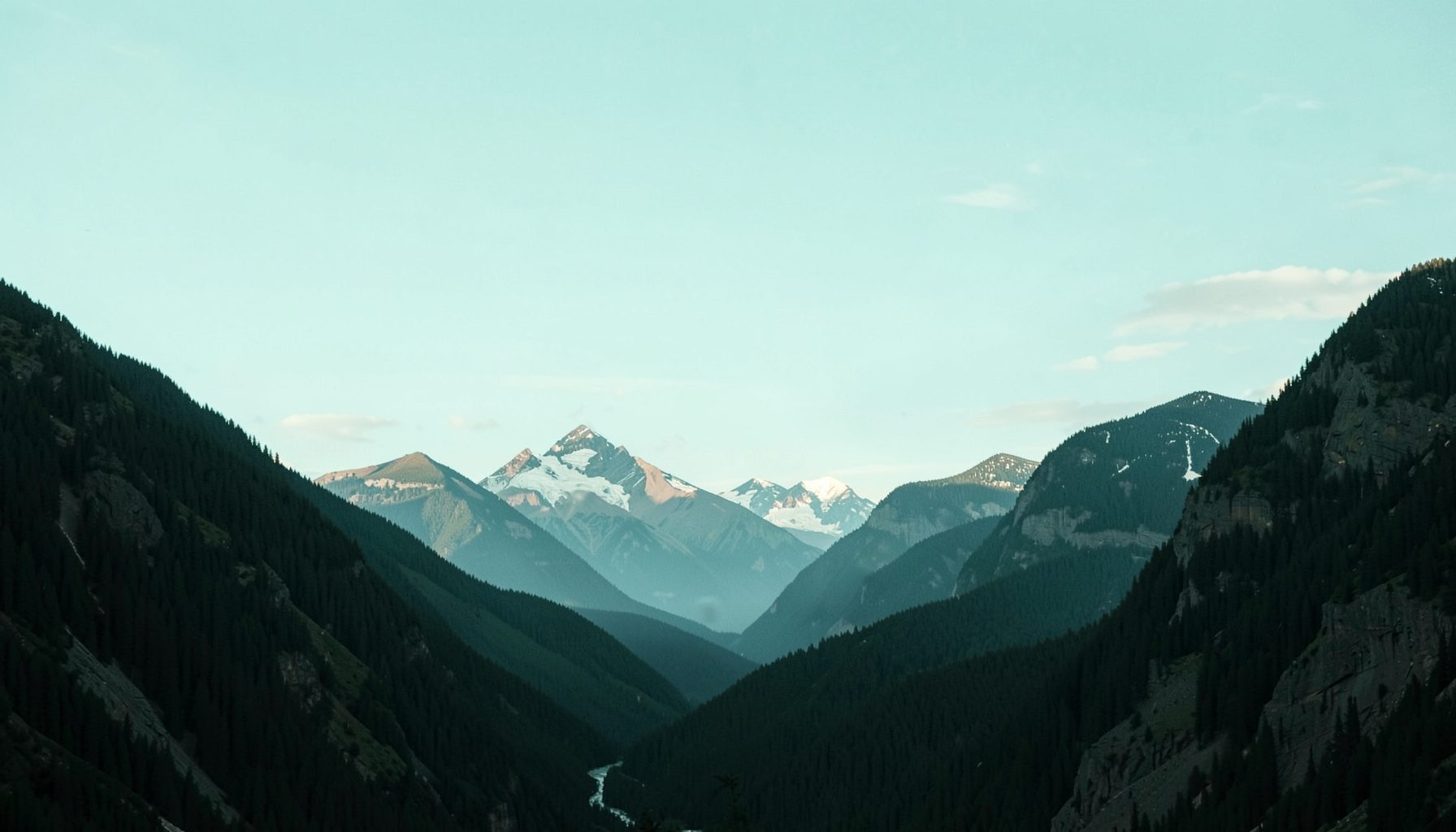
Banff offers medical physics delegates a rare combination of professional focus and mountain scenery. During the 2014 Annual Scientific Meeting of the Canadian Organization of Medical Physicists, attendees could move from lectures, abstracts and business meetings to alpine walks, lakeside views and relaxed conversations over dinner. This Banff tourism guide for medical physics delegates and families brings those practical choices together for anyone revisiting the event archive or planning a similar conference stay.
The destination is compact, but its setting in Banff National Park rewards thoughtful planning. A conference schedule may leave only a few free hours, while families often need easier walks, indoor alternatives and flexible meal arrangements. Distances, weather, transport and park access all influence how much of the Canadian Rockies can fit around scientific sessions.
Start with the conference setting
The archived official conference archive is the best reference point for understanding the meeting’s original structure, including scientific sessions, social events, accommodation information and delegate logistics. The conference environment was centred on professional exchange, yet Banff’s layout made it possible to enjoy the town without arranging a major excursion after every session.
Banff sits inside a protected national park, so the scenery begins close to the accommodation and conference venues. Banff Avenue provides shops, cafés, galleries and restaurants within walking distance, while the Bow River and nearby trails create quieter options for an early morning or post-session stroll. Families can split their day easily: one adult attends a lecture while others explore town at a manageable pace.
Plan the journey from Australia
For Australian delegates, the trip is a substantial international journey rather than a quick domestic conference transfer. Flights from Sydney, Melbourne, Brisbane or Perth generally require a connection before reaching Calgary International Airport. Allow time for immigration, baggage collection and the onward journey to Banff, particularly if travelling with children or arriving after an overnight flight.
Canada drives on the right, unlike Australia, where vehicles keep left. This matters when hiring a car, reading road signs or approaching mountain roads after a long flight. The shuttle from Calgary is often simpler for a conference visit, especially when accommodation is central. If hiring a vehicle, check winter equipment requirements, insurance conditions and the distance between fuel stops before leaving the city.
Australian travellers should also allow for the reverse-season climate. A July visit falls in the Australian winter but brings summer conditions to Alberta, while December and January are Canadian winter months. Temperatures can change quickly in the mountains, so a warm layer and weatherproof jacket remain sensible even during a summer itinerary.
Choose experiences that fit the timetable
Banff’s strongest attractions do not all require a full day. The Banff Gondola on Sulphur Mountain provides expansive views with limited walking, although advance booking is wise during busy periods. Bow Falls is close to town, and the path around the falls can suit a short break between meetings. The lakes at Lake Louise and Moraine Lake are more demanding to reach, but they offer some of the region’s most recognisable scenery.
A compact itinerary might combine an early walk along the Bow River with a conference morning, followed by a relaxed meal and a sunset viewpoint. Delegates who need quiet time after technical presentations can choose the Upper Hot Springs, a gallery visit or a café rather than filling every hour with organised sightseeing. In Australia, this is similar to building a conference break around a harbour walk in Sydney or a short laneway visit in Melbourne instead of committing to a distant day trip.
Families should distinguish between scenic access and strenuous hiking. Well-marked paths near the town centre can work for mixed ages, while longer routes require suitable footwear, water and a realistic assessment of fitness. Mountain wildlife is another consideration: never approach animals, keep food secured and follow park guidance around elk, deer and bears.
Prepare for weather and local customs
Mountain weather can be changeable even when Banff begins the day bright and warm. Pack layers, comfortable walking shoes, sunglasses, sunscreen and a light waterproof shell. Australian visitors may be accustomed to strong sun and outdoor heat, but high-altitude glare and cool evenings require a different combination of protection. In winter, insulated footwear and gloves are essential rather than optional extras.
Canadian service customs also differ from Australian expectations. Tipping is common in restaurants, taxis, salons and for some guided services, while Australian menus and service charges often create less pressure to calculate an additional percentage. Prices are generally shown before sales tax, so the final amount can exceed the displayed figure. Keep some Canadian currency for small purchases, although cards are widely accepted.
Alcohol service, age requirements and park regulations should be checked locally, especially for family groups. Banff is a working tourism town rather than an isolated resort, and restaurants can fill quickly during peak periods. Booking dinner ahead helps a group avoid a late search after a full day of presentations.
Make the visit comfortable for families
A family itinerary benefits from alternating high-energy and low-energy activities. The Whyte Museum of the Canadian Rockies, local shops and short river walks provide options when younger travellers need a break from outdoor activity. In colder weather, swimming facilities and hotel downtime may be more enjoyable than forcing a long excursion.
Food planning is easier when accommodation includes a refrigerator or basic kitchen facilities. Banff supermarkets and convenience stores carry familiar staples, although prices can be higher than in Calgary because of the location and tourism demand. Australian families used to comparing Coles, Woolworths and local markets may find the range narrower and the cost of fresh produce noticeably higher.
For babies, older relatives or anyone with mobility needs, verify lift access, room layouts and trail surfaces before booking. Some viewpoints involve stairs or steep gradients, while central Banff remains relatively manageable on foot. A short taxi ride can save energy when the family is carrying equipment or returning from an evening event.
Keep essential plans within reach
A conference trip becomes easier when key details are saved offline. Mobile coverage can vary beyond the town, and international roaming charges may be significant for Australian phones. Download accommodation details, transport confirmations, park information and emergency contacts before leaving Calgary.
Use this practical checklist before departure:
- Confirm flights, airport transfers and Canadian entry requirements.
- Check the accommodation’s location, room facilities and cancellation terms.
- Pack layers, waterproof footwear, sunscreen and personal medicines.
- Reserve popular restaurants and timed attractions in advance.
- Save weather forecasts and park safety information for offline access.
- Carry a payment card with a backup option for unexpected expenses.
Allow a buffer between the airport and the first conference commitment. Delays, mountain traffic and weather can affect the transfer from Calgary, and a rested arrival is especially valuable before a full scientific programme. The same principle applies to departure: avoid scheduling a tight connection after a morning excursion.
Extend the stay beyond the meeting
Delegates who add one or two days can see more of the region without turning every conference day into a rushed expedition. Calgary offers a useful contrast with Banff, including larger supermarkets, broader restaurant choice and direct airport access. Edmonton is much farther away, so it is better treated as a separate destination rather than a casual add-on.
Room costs can be significant in a mountain resort, particularly for families or colleagues travelling on professional budgets. The archived guidance on roommate matching information reflects a practical conference concern: sharing arrangements can reduce expenses while making it easier for attendees to stay near the meeting.
Consider these ways to use extra time and manage costs:
- Spend one day around Banff town, Bow Falls and the gondola.
- Reserve another day for Lake Louise or a guided Rockies excursion.
- Compare central hotels with properties offering kitchen facilities.
- Coordinate airport transfers with colleagues arriving on similar flights.
- Check whether park passes, attraction tickets and transport are included.
- Leave flexibility for weather-related changes to mountain plans.
A longer stay also gives families time to adjust to the time difference from Australia. Rather than beginning with a demanding hike, use the first day for a gentle walk, an early dinner and sleep. This approach can make the scientific programme more comfortable and leave enough energy for a final scenic outing.
Use the archived COMP materials to match conference commitments with accommodation, transport and social plans, then reserve the experiences that matter most to your group. With sensible layers, realistic travel times and a flexible itinerary, Banff can support focused medical physics participation while giving delegates and families a memorable Canadian mountain holiday.