
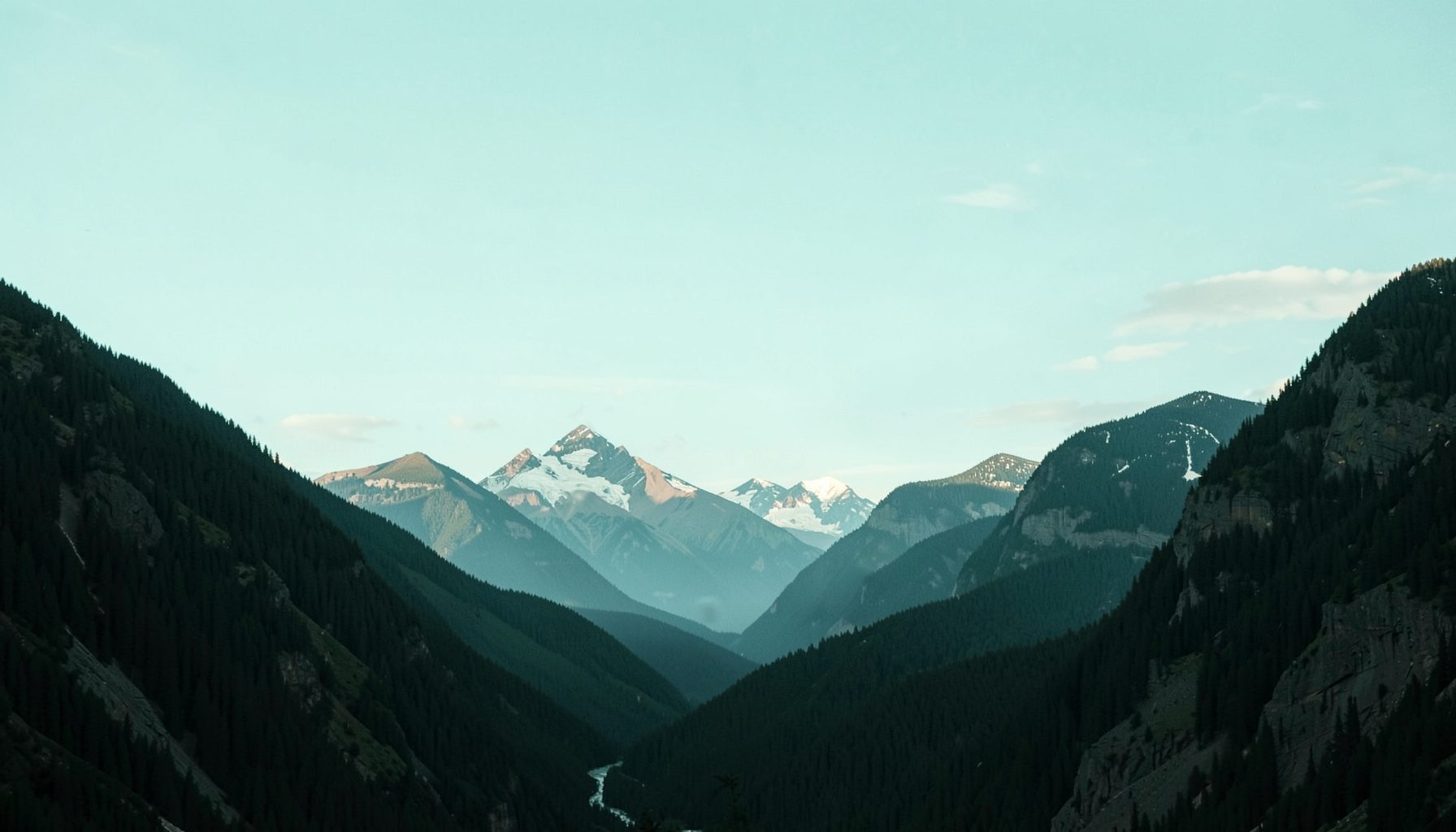

The Banff Springs Hotel: A Historical Venue for Scientific Exchange
The Banff Springs Hotel occupies a special place in the story of Canadian mountain tourism. Built by the Canadian Pacific Railway in 1888, it helped turn Banff into an international destination while presenting the Rocky Mountains as a place of health, leisure and discovery. Its château-style architecture, grand public rooms and setting above the Bow River gave visitors an experience very different from an ordinary hotel stay.
For delegates attending the 2014 Annual Scientific Meeting of the Canadian Organization of Medical Physicists, this historic resort provided more than an attractive backdrop. The venue supported formal lectures, scientific presentations, professional meetings and informal conversations. In the spaces between sessions, medical physicists could discuss imaging, radiation therapy, quality assurance and education while looking out towards a landscape shaped by geology and glacial water.
That combination of heritage and technical exchange remains particularly appealing to Australian visitors. Travellers from Sydney, Melbourne, Brisbane or Perth are accustomed to long-distance journeys for major conferences, yet Banff offers a markedly different environment from an Australian capital-city convention centre. The mountain setting encourages delegates to slow down, walk between activities and continue conversations over coffee or dinner.
The archived conference material reflects the many dimensions of a professional meeting: abstracts, registration, CCPM examinations, accommodation, sponsors, business sessions, tourism information and social events. Together, these details show how a scientific gathering becomes a temporary community, with the hotel acting as both a practical venue and a memorable part of the event’s intellectual life.
A Railway Hotel With A Scientific Legacy
The Banff Springs Hotel emerged during the expansion of Canada’s transcontinental railway. The Canadian Pacific Railway promoted Banff as a destination for affluent travellers, and the hotel was designed to make the mountain environment accessible without sacrificing comfort. Over time, additions and renovations transformed the original building into the large stone complex recognised today.
Its history includes fire, reconstruction and architectural change. A major fire in 1926 destroyed part of the early structure, after which the hotel continued to evolve. The result is a layered building whose corridors and meeting rooms reflect different periods of Canadian design. That sense of accumulated history can influence how a conference is experienced: every lecture takes place within a venue that has hosted generations of visitors.
Scientific conferences benefit from settings that make people attentive to place. In a purpose-built facility, delegates may move efficiently from one presentation to another and leave with a notebook full of information. At Banff Springs, the historic interiors, mountain views and resort scale created additional memory cues, helping professional encounters remain connected to the location.
From Formal Sessions To Corridor Conversations
A medical physics meeting depends on a careful balance between scheduled content and spontaneous discussion. Oral presentations, poster sessions, technical exhibits and business meetings give the programme structure, while corridors, lounges and shared meals allow delegates to compare methods and build professional relationships. The hotel’s range of rooms supported this movement between concentrated learning and relaxed exchange.
For candidates preparing for professional assessment, the conference environment also offered a valuable peer network. The CCPM oral exam format can be considered alongside conversations about clinical training, examination preparation and career development. These discussions matter because medical physics combines scientific knowledge with judgement, communication and responsibility in clinical settings.
The social programme added another layer. A banquet, lectures and local activities gave attendees opportunities to meet colleagues outside their usual institutions. For an Australian delegate, this could mean comparing practice in Melbourne or Brisbane with Canadian approaches, discussing workforce pathways over dinner, or discovering how a mountain resort changes the rhythm of a professional gathering.
A Setting For Radiation Science
The subjects presented at a medical physics conference are closely connected to patient safety and technological progress. Radiation oncology, diagnostic imaging, treatment planning, dosimetry and equipment performance all require careful measurement and a strong culture of quality. A historic venue does not diminish that precision; it provides a contrasting environment in which complex technical work can be discussed clearly.
The conference’s clinical relevance can be seen in material concerning spinal metastases treatment. Stereotactic body radiation therapy requires accurate imaging, immobilisation, contouring, dose calculation and verification. Conversations around such work connect research findings with the practical realities of multidisciplinary cancer care.
Australian readers will recognise similar professional priorities in state-based health systems. Radiation practice may involve requirements shaped by bodies such as the Australian Radiation Protection and Nuclear Safety Agency, state radiation regulators and hospital governance frameworks. The regulatory details differ from Canadian arrangements, yet the central expectations remain familiar: protect patients, document procedures, verify equipment and maintain competence.
Learning Across National Systems
A conference in Alberta also encouraged comparison between professional systems. Canada’s CCPM pathway, Australian accreditation expectations and local hospital credentialling processes are not identical, but delegates can learn from the way other jurisdictions organise training and assessment. Such comparison is especially useful for professionals working with international publications, equipment suppliers or collaborative research groups.
The Australian market adds its own practical context. Large services in Sydney and Melbourne may have access to extensive specialist teams, while regional centres often need flexible staffing, remote support and efficient purchasing decisions. A discussion that begins with a treatment technique can therefore move towards workforce planning, commissioning, software licensing or the cost of maintaining ageing equipment.
Everyday professional habits can shape these exchanges. Australian delegates may be used to an early café coffee before a full day of sessions, carrying a reusable water bottle through a large campus, or arranging conference travel around school holidays and domestic flight connections. In Banff, those familiar routines met Canadian hospitality, colder conditions and a compact resort environment where walking between activities became part of the day.
Travel, Hospitality And Responsible Attendance
The hotel’s appeal was linked to the wider Banff experience. Mountain tourism, heritage buildings, guided activities and national park scenery gave delegates choices beyond the conference programme. These attractions could extend a business trip into a short cultural visit, although responsible tourism remains important in a protected environment.
Australian travellers should also plan for practical differences. Canada’s GST and provincial taxes affect accommodation, dining and purchases, while prices in a major resort area can exceed those in ordinary Canadian towns. Currency conversion from Australian dollars, travel insurance, winter clothing and transport from Calgary require attention during budgeting. Unlike many Australian urban conferences, a Banff event may involve snow, icy paths or rapidly changing mountain weather.
Legal and professional obligations travel with the delegate. Australian health professionals should continue to consider privacy, research governance and employer travel policies, including obligations relevant to the Privacy Act 1988 and state or territory radiation legislation. These rules do not disappear at an overseas meeting; conference notes, patient-related examples and shared images must still be handled with care.
Making The Most Of A Historic Conference Venue
The strongest conference experience comes from preparing for both the programme and the place. A delegate who reviews abstracts in advance can use conversations more effectively, while someone who understands the venue can allow enough time for registration, exhibitions, meals and movement between rooms. Historic hotels often have distinctive layouts, so practical orientation is worthwhile.
The following habits can help delegates engage fully with a meeting hosted in a landmark resort:
- Read the scientific programme before arrival and identify priority sessions.
- Allow time for registration, poster viewing and conversations with exhibitors.
- Carry suitable layers and comfortable shoes for changing weather and walking.
- Record useful professional contacts with permission and follow up after the meeting.
- Compare Canadian practice with Australian accreditation and radiation-safety requirements.
- Build a realistic budget covering taxes, currency conversion, meals and local transport.
- Treat national park surroundings respectfully by following marked routes and local guidance.
A venue such as Banff Springs can also encourage reflection on the relationship between place and knowledge. The hotel was created to bring travellers into the mountains, while the conference brought specialists together to examine technologies that affect patient care. Those purposes may seem different, yet both depend on careful planning, shared infrastructure and a willingness to connect people across distance.
The archived 2014 meeting therefore remains valuable as a record of professional culture. It captures a moment when scientific exchange took place through presentations and examinations, but also through dinners, excursions, sponsor discussions and conversations in historic public rooms. The setting helped give those activities a distinct identity.
Explore the archived programme, revisit its scientific themes and use the Banff Springs story as a prompt to consider how conference venues influence professional exchange. For Australian medical physicists, the meeting offers a lasting example of how technical learning, international perspective and place-based hospitality can work together.