

ff Beyond the Lecture Hall: Science Meets Mountain Adventure
When the Canadian Organization of Medical Physicists (COMP) announced its 2014 Annual Scientific Meeting in Banff, delegates from Sydney, Melbourne, and Brisbane began plotting a journey that combined a serious scientific agenda with a long-dreamed-of visit to the Canadian Rockies. For Australian medical physicists, the gathering offered an efficient way to absorb the latest in radiation dosimetry, imaging, and therapy physics while also experiencing a mountain landscape on a far grander scale than anything back home. The dual purpose of the trip resonated with a community accustomed to fitting continuing professional development into tightly packed schedules, often between clinical rosters at hospitals such as the Peter MacCallum Cancer Centre or the Royal Brisbane and Women's.
Banff sits within a UNESCO World Heritage site, framed by the ice-blue Bow River and the crags of Sulphur Mountain. Conference-goers arrived in early autumn, when the larch needles were turning gold and the elk were moving through the townsite. The town is small enough to walk end to end in under an hour, yet dense enough to offer the kind of après-conference dining that suits physicists unwinding after a full day of talks. The mountain air, the clean light, and the proximity of hot springs meant that no one had to choose between career growth and a sense of adventure.
Scientific Sessions Worth the Long Flight
The scientific program in Banff stretched across several days and brought together researchers whose work routinely influences clinical practice in Australia. Sessions on image-guided radiotherapy, brachytherapy, and Monte Carlo dose calculations sat alongside discussions on quality assurance programmes that mirror those required by the Australian Health Practitioner Regulation Agency. Several Australian delegates presented posters drawn from their work at institutions such as the Peter MacCallum Cancer Centre and the Ingham Institute in Sydney, sparking exchanges about cohort sizes, proton therapy access, and reimbursement pathways.
A recurring theme in the lecture halls was the structure of training itself. The curriculum discussions hosted at the meeting drew comparison with the residency pathway administered by the Australasian College of Physical Scientists and Engineers in Medicine. For physicists weighing the merits of a Canadian clinical fellowship versus an ACPSEM training programme, the candid debate over core competencies, examination timing, and research requirements was a highlight of the week. Many attendees left with a clearer sense of how cross-border recognition might work in practice, particularly if they were considering a sabbatical in Vancouver, Toronto, or Montréal.
CCPM Examinations and Trans-Pacific Equivalencies
For Australian physicists with ambitions to practise in Canada, the CCPM certification pathway was a topic of practical interest. The Canadian College of Physicists in Medicine administers written and oral examinations that have long been a benchmark for the discipline globally, and Banff offered an opportunity to sit components alongside the meeting itself. Several delegates from Australia used the trip to combine continuing professional development with exam preparation, treating the conference as both a learning event and an administrative checkpoint.
The conversation extended beyond the exam room into informal gatherings over coffee and dinner. Senior physicists from Vancouver and Calgary explained how Canadian clinics structure mentorship, while Australians described the integrated clinical-scientific model favoured in Queensland and New South Wales. The exchange highlighted shared ground between the two training systems, alongside differences in how protected research time is allocated during residency.
The Exhibit Hall and Industry Connections
The exhibit hall at the Banff Centre was a working space as much as a showcase, with vendors demonstrating the latest in linear accelerators, treatment planning systems, and detectors. For delegates arriving from Australia, the exhibitor hall and product demonstrations offered a chance to handle equipment that might not yet be installed at their home centres. Representatives from Varian, Elekta, and IBA were on hand, alongside smaller vendors showcasing QA phantoms and motion-management platforms.
Many Australian delegates spent their breaks evaluating software that could streamline workflows at institutions such as the Chris O'Brien Lifehouse in Sydney or the Auckland City Hospital across the Tasman. Conversations often turned to procurement cycles, regulatory clearance with the Therapeutic Goods Administration, and the practical realities of supporting equipment across vast distances. Several physicists returned home with vendor contacts and a clearer picture of how recent innovations might be evaluated for local adoption.
Alpine Adventures Between Sessions
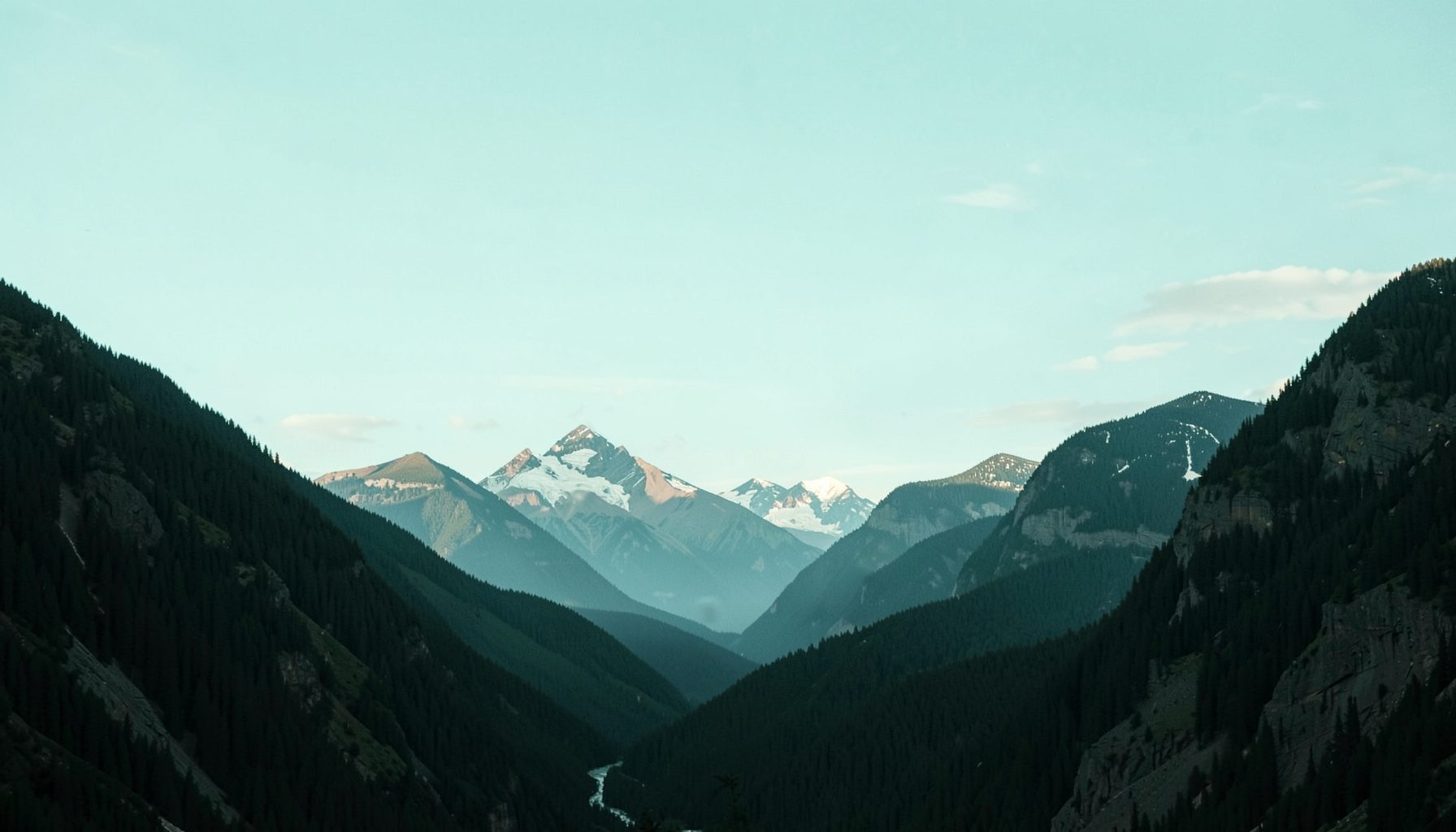
The conference schedule left generous windows in the late afternoon, and the town of Banff was ready to fill them. Even those who had spent the previous weekend skiing at Thredbo or Perisher were visibly impressed by the vertical scale of the Rockies, where peaks exceed three thousand metres and glaciers linger into August. The September days stretched long, with golden light lingering on the summits well after the last slide had been shown in the lecture theatre.
The Banff Gondola whisked visitors up Sulphur Mountain in eight minutes, depositing them at a boardwalk with sweeping views of six mountain ranges. Walking down the summit boardwalk at dusk became a quiet ritual for several delegates, who took turns photographing the Bow Valley from a height that made the entire conference venue look like a small detail on the valley floor.
Quick Escapes Near the Conference Venue
- Ride the Banff Gondola and local attractions on Sulphur Mountain for sunset photography.
- Walk the Bow Falls loop, a flat four-kilometre trail that ends with views of the Bow River gorge.
- Soak in the Upper Hot Springs, where water emerges at thirty-eight degrees Celsius year-round.
- Visit the Whyte Museum of the Canadian Rockies to understand the alpine history of the region.
- Cycle the Legacy Trail toward Canmore, a forty-minute ride on a paved path.
- Spot elk and bighorn sheep along the Marsh Loop, a quiet boardwalk minutes from the conference hotels.
These excursions offered a useful counterweight to the density of the scientific programme. The crisp mountain air and the unexpected warmth of an Indian-summer afternoon made the long flights from Tullamarine or Kingsford Smith feel worthwhile.
Planning Essentials for Australian Delegates
Long-haul travel to Canada requires a little more preparation than a typical European conference. The seventeen-hour time difference between Sydney and Calgary can flatten even seasoned travellers, and a thoughtful itinerary makes the trip far more rewarding. Australian delegates who arrived a day early consistently reported feeling sharper in the opening session than those who powered through on arrival day.
Practical Steps Before Departure
- Apply for a Canadian Temporary Resident Visa well in advance; processing times vary and biometrics may be required.
- Book flights through Vancouver or Calgary, with one-stop routings via Auckland, Hong Kong, or Singapore.
- Allow one full day for recovery after arrival to adjust to the time difference.
- Pack layers; Banff mornings in September can drop below freezing, while midday sun stays warm.
- Carry a power adaptor for Type A and B outlets, which differ from Australia's Type I plugs.
- Bring a light rain shell; alpine weather shifts quickly, even when the forecast looks settled.
These practical steps made the trip more comfortable and ensured delegates could focus on the science and the scenery in equal measure. Several attendees combined the meeting with side trips to Lake Louise or a drive along the Icefields Parkway, treating the Canadian Rockies as a once-in-a-career destination.
Banff in 2014 left delegates with more than updated knowledge of treatment planning algorithms or detector physics. It offered a working model of how a scientific meeting can dovetail with outdoor adventure, and how a small mountain town can become a temporary hub for an international profession. Australian physicists returned home with refreshed clinical perspectives, new research contacts, and photographs of glaciers that continue to surface in conference slides back in Melbourne and Perth.
The COMP 2014 Annual Scientific Meeting demonstrated that meaningful professional development need not take place in a closed lecture hall. When the venue is a place of clear lakes, soaring peaks, and welcoming lodges, the experience becomes something colleagues talk about for years. Register early when the next call opens, secure leave coverage well ahead of the dates, and prepare to spend a few extra days exploring everything the surrounding mountains have to offer.