
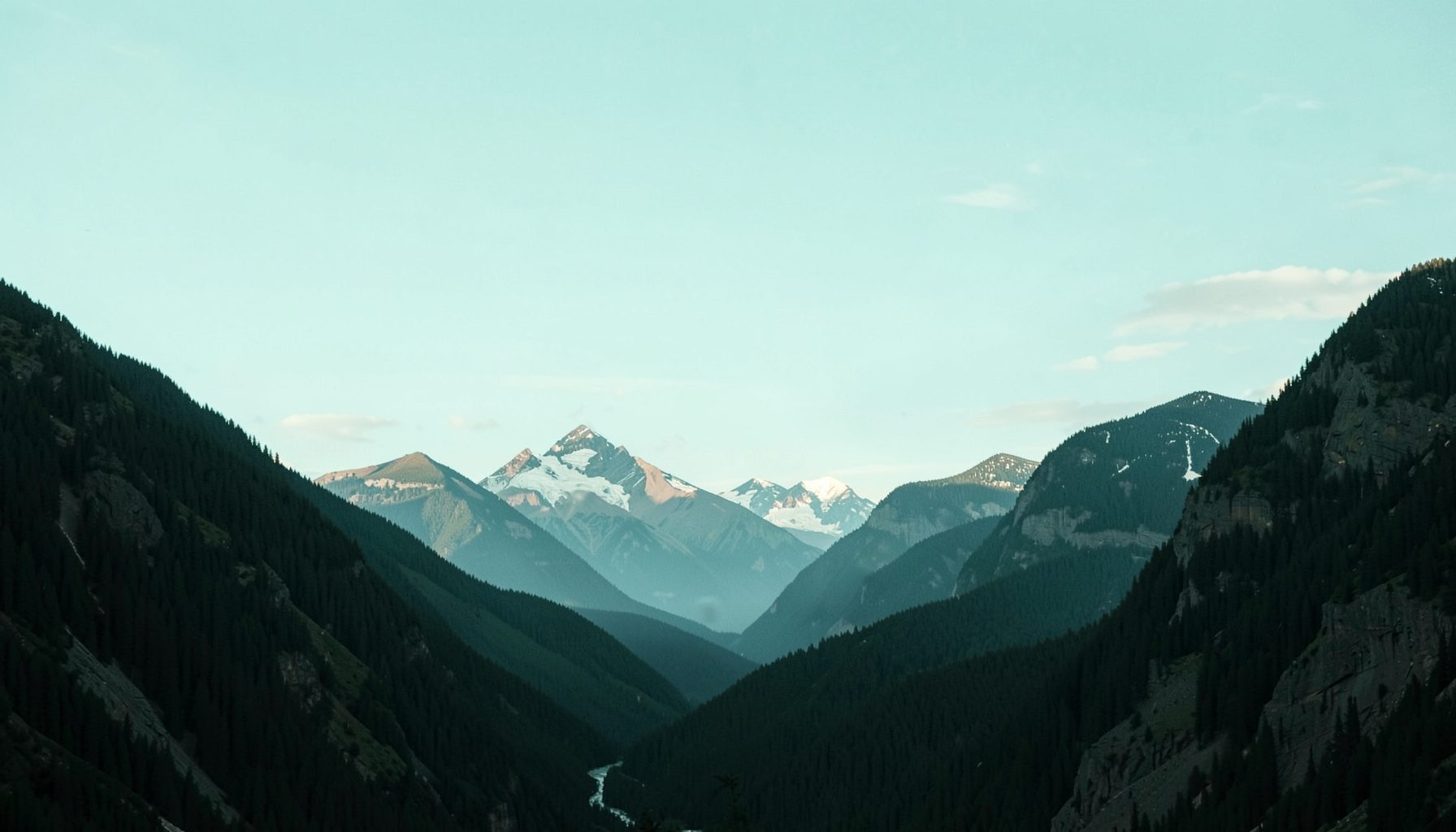

Photographing the Rocky Mountains During Your Conference Stay
A professional conference in Banff offers an unusual advantage for photographers: the scenery begins almost outside the meeting venue. Between scientific sessions, business meetings and social events, the Canadian Rockies provide dramatic subjects in every direction. Glacial lakes, limestone peaks, pine forests and changing alpine weather can turn a short walk into a rewarding photo expedition.
For delegates travelling from Australia, the experience will feel both familiar and completely different. Banff has the outdoor ease of places such as the Blue Mountains or Victoria’s high country, yet its scale, cold-water lakes and steep mountain walls create a distinct visual environment. A little planning lets you make the most of the early morning, late afternoon and spare hours around the conference programme.
The archived conference information is useful for understanding the meeting’s programme, accommodation, social activities and local arrangements. Treat the scientific schedule as the framework for your photography plan, then build short, realistic outings around it rather than trying to see every landmark in a single day.
Plan around mountain light
The best landscape photographs are often made before breakfast or after the final session. In summer, Banff’s northern latitude produces long daylight hours, so dawn arrives much earlier than many Australians expect. A 5 am start may sound excessive after a full day of lectures, but it can place you beside a still lake before tour groups and busy roads change the atmosphere.
Early light reveals texture on peaks and gives clouds a soft colour that is difficult to reproduce at midday. Vermilion Lakes, for example, can reflect Mount Rundle in calm conditions, while the Bow River offers leading lines through the valley. For a shorter outing, Bow Falls or a viewpoint near Tunnel Mountain can provide strong compositions without taking up an entire morning.
Check the day’s timetable before setting an alarm. A breakfast meeting, examination commitment or technical presentation may make a sunrise trip impractical. The most dependable approach is to choose one nearby location for a dawn attempt and keep a second, closer option for an afternoon walk.
Pack for changing conditions
Rocky Mountain weather can shift quickly, even during the warmer months. A sunny afternoon may become cool and wet when cloud settles over the peaks. Pack a lightweight waterproof jacket, warm layer, gloves and a hat in your day bag. Australians often say “bring a jumper” for a cool evening, but alpine conditions call for more than a casual extra layer.
Protecting the camera matters as much as protecting yourself. A rain cover, microfibre cloths, spare batteries and a sealed bag for sudden showers are practical additions. Batteries can drain faster in cold conditions, and condensation may form when equipment moves between an air-conditioned meeting room and humid outdoor air. Let the camera adjust gradually inside its bag before exposing it fully.
A wide-angle lens is useful for large valleys, but a mid-range zoom often produces more versatile results. It can isolate a distant ridge, compress layers of forest and rock, or frame a single tree against a broad landscape. A polarising filter may deepen blue skies and reduce reflections on water, although it should be rotated carefully when working with very wide lenses.
Choose accessible viewpoints
Banff rewards photographers who accept that a good image does not always require a demanding hike. Lake Louise is an obvious destination, with turquoise water and a mountain amphitheatre that changes character as the light moves. Moraine Lake offers equally striking scenery, although access, transport and seasonal conditions should be checked before committing a limited conference morning.
The Bow Valley Parkway and nearby pull-offs can provide quieter scenes than the best-known viewpoints. Look for receding roads, lodgepole pines, exposed rock faces and bands of mist. A telephoto lens can make distant peaks feel more connected, while a low viewpoint can place foreground grasses or wildflowers beneath the larger landscape.
Australian drivers should take particular care with the change from left-side driving at home to right-side driving in Canada. Roads may appear empty, but wildlife and sudden weather can alter travel times. Do not stop in unsafe places for a photograph, and allow extra time if you are hiring a car. For many delegates, a local shuttle, organised excursion or short taxi journey is a better use of time than navigating unfamiliar roads after a long conference day.
Photograph wildlife responsibly
The Rockies are home to elk, deer, bighorn sheep, bears and smaller animals. Wildlife photographs can become the most memorable part of a Banff stay, but they require distance and patience. An animal that appears calm may still feel threatened by people approaching too closely, especially when it is feeding, travelling with young or near a road.
Use a telephoto lens instead of walking towards the subject. Never encourage wildlife with food, sounds or gestures, and avoid forming a crowd around an animal. Keep the road clear and follow park instructions. A photograph is not worth disrupting a herd or creating danger for other visitors.
Birds and squirrels can be easier subjects for a brief outing. Watch edges of water, open meadows and forest clearings, where animals often move between cover and feeding areas. Focus on behaviour rather than simply collecting species portraits: an elk crossing mist, a bird reflected in a pond or a squirrel framed by spruce can communicate the character of the landscape.
Make the most of short conference breaks
A conference stay is built around concentration, networking and professional obligations, so photography works best when it fits naturally into the day. Use a short “arvo” walk after sessions to scout compositions, then return to the strongest location when the light improves. A quick brekkie near the accommodation can also become an opportunity to check cloud movement, camera settings and transport arrangements.
Australian visitors should prepare for practical differences in travel costs. Canadian prices are in Canadian dollars, card transactions may involve foreign exchange fees, and mobile roaming can be expensive. Download maps before leaving Wi-Fi, check whether your Australian provider offers a suitable roaming package, and carry a small power bank. A local café or “servo” equivalent may not be available beside every scenic stop, so water and snacks are sensible.
The conference’s professional setting can add another layer to the visual story. Photograph the journey from accommodation to meeting rooms, the architecture around Banff, delegates walking beneath the peaks and the contrast between technical discussion and outdoor space. Respect privacy during presentations, examinations and business meetings, and ask before making identifiable portraits. Information about CCPM examinations also helps clarify which parts of the programme require quiet attention rather than casual photography.
Back up images each evening using two separate locations, such as a laptop and portable drive or a secure cloud account. Rename files with the date and place while the details are fresh. These habits are especially valuable when a short trip includes several locations, changing weather and a large number of similar mountain frames.
Use the archived event details to map your meeting commitments, then reserve small windows for Banff’s best light. Pack for weather, travel lightly, keep wildlife at a respectful distance and let the mountains set the pace. A considered collection of photographs from a conference stay can preserve both the scientific event and the landscape that made it memorable.