

Advice for international delegates travelling to the COMP meeting
Medical physics is a remarkably global profession, and the Canadian Organization of Medical Physicists brings together researchers, clinicians, and educators from across the world each year. For delegates flying in from Australia, the journey to the 2014 meeting in Banff represents both a significant professional opportunity and a considerable logistical undertaking. The scientific program consistently showcases developments that inform clinical practice well beyond Canadian borders, particularly in radiation oncology, diagnostic imaging, and radiation safety.
Australian medical physicists operate within a distinctive professional ecosystem shaped by the Australasian College of Physical Scientists and Engineers in Medicine. Many practitioners balance work across public hospital networks and private radiotherapy providers, frequently collaborating with colleagues in New Zealand and across the Asia-Pacific region. Attending a North American gathering like the COMP meeting offers exposure to different regulatory frameworks, equipment vendor ecosystems, and treatment planning philosophies that can translate into fresh approaches back home.
The distance from Sydney or Melbourne to Calgary is substantial, with typical routings through Vancouver or Los Angeles adding several hours to what is already a long-haul commitment. Jet lag is a genuine concern that can affect concentration during dense scientific sessions. Thoughtful preparation, however, can turn the journey into a manageable experience and ensure delegates arrive ready to engage fully with the program and the networking opportunities.
This guide offers practical suggestions drawn from the realities faced by Australian professionals attending major international conferences. From flight bookings and packing decisions to session selection and après-meeting sightseeing, the advice below covers the ground that matters most.
Planning your travel from Australia to Banff
Most Australian delegates will route through Vancouver or Toronto before connecting to Calgary, with the final leg typically involving a short flight or shuttle transfer to Banff itself. Carriers such as Air Canada, Qantas, and the Star Alliance partners offer combinations that work from Sydney, Melbourne, and Brisbane. Booking early, ideally three or four months ahead, helps secure fares within typical institutional travel budgets, which many Australian departments manage through frameworks with corporate travel providers.
Before locking in flights, take a quick look at the conference schedule to ensure your arrival and departure dates align with the sessions you most want to attend. Pack for the weather first, and everything else second. Banff in late spring or early autumn can swing from crisp mornings near freezing to pleasant afternoons in the mid-teens. Layering is the standard Australian response to unpredictable alpine conditions, though Australians accustomed to relatively mild climates should bring a proper insulated jacket rather than relying on a light jumper. Comfortable walking shoes are essential, since the conference venue and surrounding town invite plenty of exploration on foot.
Currency considerations matter too. While many establishments in Banff accept major credit cards, having a small amount of Canadian cash on hand for tips, market stalls, and parking meters avoids awkward moments. Australians used to tapping their cards everywhere will find the Canadian system just as accommodating, though some older point-of-sale terminals in smaller shops may occasionally struggle with foreign-issued cards.
Managing jet lag and time zone shifts
Australia sits roughly fifteen to eighteen hours ahead of Mountain Time, depending on which state you depart from and the date of travel. This places Banff almost directly on the opposite side of the globe, which is the most disorienting possible configuration for the human circadian system. Pre-adjusting sleep schedules by an hour or two in the days before departure helps, as does selecting a westward routing that arrives in the late afternoon and permits a normal evening's sleep.
Hydration plays an outsized role in recovery. The cabin air on long-haul flights is notoriously dry, and Australian travellers already familiar with the importance of water intake during domestic flights should double down on fluids while avoiding alcohol and excessive caffeine. A short outdoor walk on the first afternoon, ideally in natural light, helps reset the body clock more effectively than remaining confined to a hotel room.
Delegates attending morning sessions should arrive at least forty-eight hours before the program begins. This buffer allows for a reasonable adjustment period and prevents the common mistake of missing keynotes due to fatigue. Those arriving from Perth should expect the most challenging transition, given Western Australia's earlier time zone compounds the eastward adjustment.
Making the most of the scientific program
The COMP scientific program covers an unusually broad range of topics, from Monte Carlo dose calculations and small-field dosimetry to MRI-guided linac systems and radiomics. For Australian delegates, the value lies partly in hearing how Canadian centres have implemented technologies that remain rare in Australia, such as dedicated MR-linacs and proton therapy facilities. Sessions on quality assurance for advanced treatment delivery systems often translate directly to clinical practice back home.
Review the published program carefully in advance and identify the sessions most relevant to your daily work. Australian centres vary widely in their equipment and patient load, so prioritise presentations from institutions of similar size rather than chasing every internationally renowned speaker. The poster sessions frequently offer deeper one-on-one discussion than the oral presentations, and Australian delegates often find these conversations yield practical insights that can be implemented locally.
Take time to read the optimization techniques article published as part of the meeting's online resources. It contextualises several of the treatment planning discussions and helps frame questions you might want to raise during the sessions.
Networking and social events
The COMP meeting places significant emphasis on collegial exchange, with welcome receptions, industry-sponsored dinners, and the formal banquet creating multiple touchpoints for meeting colleagues. Australians are generally regarded as approachable conversationalists, and a casual "how ya going?" tends to land well in informal Canadian settings, often leading to productive professional connections. Many lasting collaborations between Australian and Canadian centres have begun with a chat over coffee at a conference like this.
Bring plenty of business cards. While digital contact exchange has largely replaced paper in Australia, the conference environment still rewards the tangible artefact, particularly when meeting vendors and senior figures from major centres. Cards printed with your ACPSEM credentials, hospital affiliation, and direct email help establish credibility quickly in the brief encounters that characterise conference networking.
The mentorship and career development sessions offer particular value for early-career physicists. Australian departments sometimes struggle to provide structured continuing education outside the major cities, and the COMP meeting compensates for this with sessions explicitly designed for those in the first decade of their careers. Engaging with the Australasian College's international liaison activities during the meeting also strengthens the professional bridge between the two regions.
Exploring Banff beyond the conference
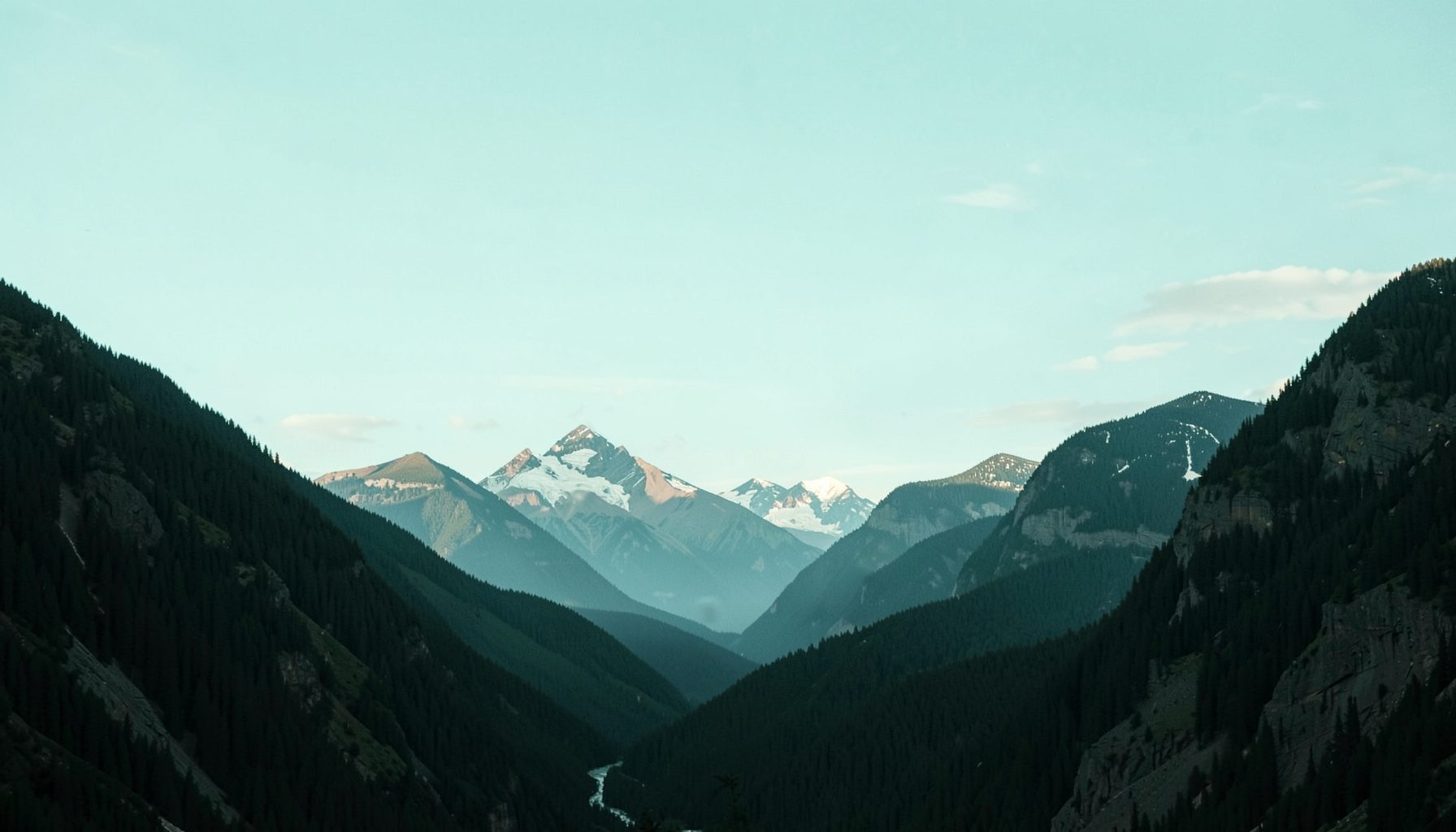
Banff itself rewards delegates who can spare time before or after the meeting. The Canadian Rockies provide a striking contrast to the Australian landscape, and the town offers walking trails, the Banff Gondola, and the mineral hot springs that have drawn visitors for generations. Delegates accustomed to weekend hikes in the Blue Mountains or the Grampians will appreciate the scale and accessibility of the alpine walking tracks.
The local culinary scene reflects both regional Canadian ingredients and international influences, with venues offering everything from Alberta beef to Pacific-influenced seafood. Australians used to a strong café culture will find the coffee standards in Banff reasonable, though perhaps a step behind the specialty offerings found in Melbourne or Sydney laneways. Dietary requirements are generally well accommodated, particularly at conference functions, though informing the organisers in advance ensures smooth service for those with specific needs.
If time permits, extending the trip to include a few days in either Vancouver or Toronto adds cultural breadth to a primarily professional journey. Both cities offer direct connections back to Australia and provide a different perspective on Canadian medical physics practice through visits to local cancer facilities.
Recommendations for a smooth conference experience
- Book flights at least three months ahead and aim to arrive two days before the program begins
- Pack layered clothing suitable for alpine conditions, including a proper insulated jacket
- Begin adjusting your sleep schedule in the week before departure to soften the time zone transition
- Carry a small amount of Canadian currency alongside your regular bank cards
- Reserve the most relevant sessions in advance and plan questions for speakers ahead of time
- Engage actively with poster presenters, recognising that small group exchanges often yield the most actionable insights
The COMP Annual Scientific Meeting rewards delegates who arrive prepared, rested, and ready to engage. Australian medical physicists have much to offer their Canadian and international colleagues, and the professional exchange that takes place in Banff each year strengthens the global medical physics community in ways that ripple back to clinics and hospitals across Australia. Register your attendance, plan your travel thoughtfully, and make the journey count both professionally and personally.