Banff trail rides and lake cruises: the social side of COMP 2014
The 2014 Annual Scientific Meeting of the Canadian Organization of Medical Physicists drew hundreds of delegates to Banff, Alberta, where mountain scenery and clinical conversation blended in a way few conference venues can match. For attendees flying in from the Southern Hemisphere, the gathering offered a rare chance to combine high-level physics collaboration with a meaningful encounter with the Canadian Rockies.
Conferences are often remembered more for hallway conversations and shared meals than for keynote lectures. The COMP 2014 organisers understood this well, curating a social program that went well beyond coffee breaks. Trail rides and lake cruises sat at the heart of that offering, giving delegates room to breathe, reflect, and connect outside the lecture halls.
After days filled with imaging dosimetry, brachytherapy updates, and CCPM examination preparation, an afternoon in a saddle or on a boat felt like a genuine reward. The social program gave every delegate, from first-year students to seasoned clinical scientists, something to look forward to beyond the formal proceedings.
Why Banff was the perfect backdrop
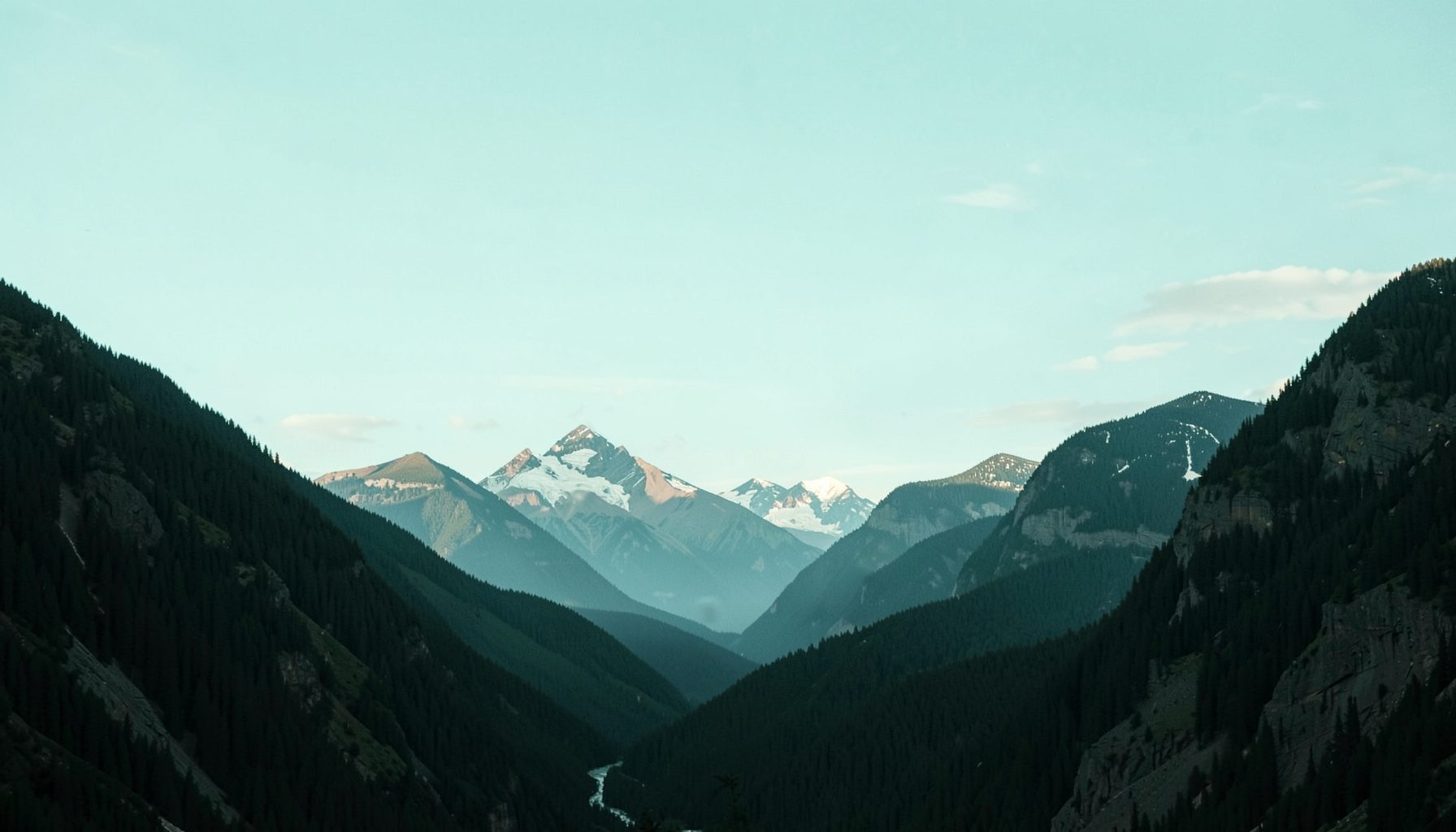
Banff sits within one of the most photographed national parks on the continent, and its compact townsite makes it easy to move between scientific sessions and outdoor excursions. The fresh alpine air, the elk grazing near the conference centre, and the short walking distance between venues all gave the week a relaxed atmosphere that larger cities struggle to replicate.
Delegates from Australia often commented on the quiet similarity to alpine regions back home, like the Snowy Mountains in New South Wales or the high country near Mt. Buller in Victoria. While the scale of the Canadian Rockies is undeniably grander, the crisp mornings and the stillness that comes with elevation felt familiar to anyone who has spent time in the Australian high country.
Trail rides: on horseback through the Rockies
Banff Trail Rides has been operating horseback excursions in the area for decades, and the company offered several routes that suited different energy levels. The most popular choice among COMP delegates was the two-hour Bow River ride, which wound along the waterway with views of Mount Sulphur and the surrounding forest. Riders of all skill levels were accommodated, with the wranglers patient and quick to match horses to nervous beginners.
The trail rides were scheduled in the late afternoon, providing a gentle transition between the intensity of the morning sessions and the evening social functions. Many Australian delegates, used to the bush trails of the Kimberley or the horseriding traditions of the Hunter Valley, found the Rocky Mountain terrain a refreshing change. The horses were calm, the pace unhurried, and the guides knowledgeable about both the landscape and the wildlife.
For those wanting a longer adventure, the half-day Sulphur Mountain excursion climbed higher into the alpine meadows, offering panoramic views that stretched for kilometres. These rides became small, informal gatherings in their own right, with colleagues who had only met in lecture theatres chatting easily as their horses picked their way through the forest.
Lake cruises: gliding across mountain water
Lake Minnewanka, the largest lake in Banff National Park, hosted the main cruise offering during the conference week. The 90-minute boat tours carried delegates across the deep blue water while guides pointed out historic sites, including submerged villages from earlier eras. The scenery along the shoreline, with steep cliffs and quiet bays, made the cruise feel surprisingly remote given how close it was to the town.
A smaller group chose the more intimate Lake Louise experience, often combined with a morning hike up to the Lake Agnes Tea House. While the cruise component was shorter on this route, the visual impact of the turquoise water against the Victoria Glacier was unforgettable. Several delegates, including physicists from Sydney and Brisbane, remarked that the colour of the lake defied any photograph they had ever seen.
Cruises were typically scheduled for the early evening, allowing attendees to enjoy the long summer daylight that Banff enjoys during the conference window. The combination of a relaxed boat ride, a glass of local wine, and a backdrop of snow-capped peaks gave delegates a chance to decompress in a way that few conference venues can offer.
How the social events weaved into the scientific week
The organisers placed the trail rides and cruises strategically, with the full conference timetable showing how each social event was paired with lighter scientific programming. This allowed delegates to opt in without feeling they were missing out on critical content, and it gave the social program the same weight as the poster sessions or business meetings.
Evening receptions often followed the outdoor activities, and these became natural extensions of the day's networking. It was common to see delegates who had ridden horses together in the afternoon deep in conversation about Monte Carlo simulations or detector calibration over dinner. The relaxed pace of the social program made it easier for junior physicists to approach senior researchers, and for international visitors to forge connections that might otherwise take years to develop.
For Australian attendees, who often work in smaller hospital-based teams, the chance to mix with such a broad cross-section of the North American and European medical physics community was invaluable. Many reported that the conversations started on horseback or on the lake carried through to collaborations months later.
Travelling from Australia: what to know before you go
The journey from Australia to Banff typically involves routing through Vancouver or Calgary, with most delegates adding a couple of days either side of the conference to recover from the time difference. Australians flying out of Melbourne, Sydney, or Perth should expect to lose around 17 hours on the way over, which makes a pre-conference night or two almost essential.
Australian travellers are accustomed to a more casual conference culture, where "arvo" sessions and "BYO" dinners are common. The Canadian formality, particularly around the banquet and awards night, came as a mild surprise to some, but the warmth of the COMP community quickly put everyone at ease.
Conference logistics and where to stay
Accommodation options ranged from the historic Fairmont Banff Springs to more modest inns within walking distance of the Banff Centre. Many delegates chose properties close to the conference venue to avoid the hassle of parking, while others opted for the Fairmont for its iconic setting and post-conference relaxation. The Banff accommodations page listed several partner hotels with negotiated rates, and booking early was strongly recommended given the summer tourism season.
Getting around the town was straightforward, with most venues, restaurants, and trail heads within a short walk. For the trail rides and lake cruises, shuttle services were arranged as part of the registration package, removing any need to organise transport independently. Delegates who wanted to extend their stay found Banff well-positioned for trips to nearby Calgary, Lake Louise, or across the border into the Okanagan Valley.
The lasting impressions of the 2014 gathering
The trail rides and lake cruises did more than offer a break from the lecture halls. They gave the conference a character that stayed with delegates long after the abstracts had been filed and the slides archived. For many, the memory of crossing Bow River on horseback, or watching the sun dip behind the mountains from the deck of a Lake Minnewanka boat, became inseparable from the professional connections made that week.
A few delegates later wrote about their experiences on the radiation safety training page, reflecting on how the relaxed social setting allowed them to discuss safety culture and training pathways in ways that more formal meetings often miss. The social program, in this sense, contributed to the substantive side of the conference just as much as the scientific sessions did, and the 2014 meeting remains a benchmark for how a professional gathering can blend work and leisure.
Tips for making the most of the social program
- Book trail rides and cruises early through the conference registration portal, as the most popular time slots fill quickly once the scientific program is announced.
- Pack layers even in summer, since evenings at elevation can be surprisingly cool after a warm afternoon on the lake.
- Coordinate with colleagues from your home institution to attend the same social event, which makes it easier to meet new people in a group setting.
- Bring a light backpack on the trail rides, with water, sunscreen, and a small camera to capture the views.
- Allow time after the cruise or ride to freshen up before evening receptions, since mountain dust and lake spray can be noticeable.
- If you are flying in from Australia, build in an extra day before the social program begins to recover from travel fatigue.
Register for the next COMP Annual Scientific Meeting and start planning your own Banff experience today.