

Lessons from the Banff venue for future medical physics conferences
For medical physicists who regularly travel between Australian teaching hospitals and international symposia, the choice of conference venue shapes the entire professional exchange. The Australasian College of Physical Scientists and Engineers in Medicine (ACPSEM) runs its own certification and continuing education programs, yet Australian delegates often return from overseas meetings with firm opinions about what works and what does not on the hosting side.
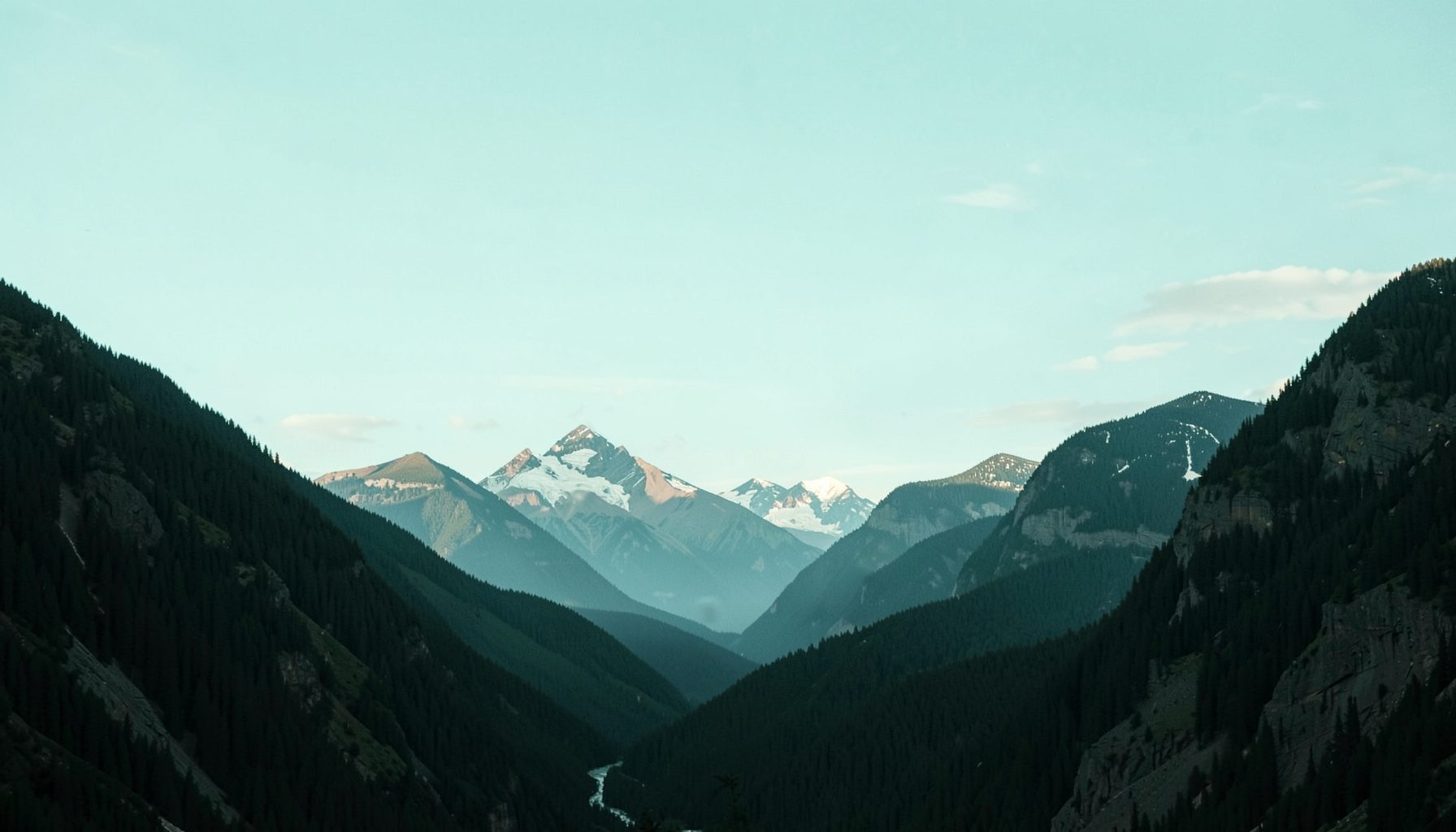
The 2014 COMP Annual Scientific Meeting in Banff, Alberta, drew several Australian attendees, and the venue itself offers a transferable case study. Set against the Canadian Rockies, the combination of alpine setting, purpose-built meeting facilities, and abundant outdoor activity created a backdrop that planners elsewhere can learn from when weighing alpine destinations against coastal or urban alternatives.
Geographic setting and accessibility
Banff sits roughly 130 kilometres west of Calgary, and the bulk of international delegates arrive through Calgary International Airport. For visitors flying out of Sydney or Melbourne, the journey involves at least one stop and around 20 hours in transit, which immediately shapes the delegate profile and the pre-conference briefing material planners should prepare. From Brisbane or Perth, the routing is similar but the time zone shift, with Australian Eastern Standard Time sitting between 16 and 18 hours ahead of Mountain Time depending on daylight saving, compounds jet lag, especially for delegates arriving only the day before sessions begin.
Once on the ground, the transfer from Calgary to Banff is straightforward and well-served by shuttles and coach operators. Australian planners accustomed to organising transport in dense cities like Sydney or Melbourne will notice that distances in this part of Alberta feel longer than the kilometre count suggests, because mountain roads slow average speeds considerably. Banff townsite itself hosts a modest evening entertainment scene, including venues with live gaming tables for delegates who want to extend their evenings beyond the formal programme.
Accommodation infrastructure
The Fairmont Banff Springs anchored the delegate block in 2014, and its conference wing could absorb the registration desk, plenary hall and most of the breakout sessions under one roof. That single-property layout is a strong advantage for events where poster sessions and industry exhibitions need to remain visible between oral presentations.
Rooms ranged from modest standards to suites, with a few that looked out over the Bow Valley. Australian delegates accustomed to the larger room inventories around the Melbourne Convention and Exhibition Centre may initially worry about being spread across multiple properties, but in Banff the central accommodation minimised the friction that usually comes with fragmented hotel blocks.
Meeting room capacity and technical setup
The plenary room accommodated the full delegate count with comfortable spacing, and the parallel session rooms were large enough for the smaller streams. Audio-visual support was reliable, with HDMI and VGA fallback options still common that year, a detail worth noting for Australian planners who often deal with a mixture of newer USB-C laptops and older presentation hardware.
For poster displays, the corridors linking the meeting rooms provided sufficient wall space and lighting. Radiation protection topics, including references to the Australian Radiation Protection and Nuclear Safety Agency (ARPANSA) standards and ACPSEM position papers, were presented in these poster bays without crowding the main circulation routes.
Catering and networking spaces
Coffee breaks were held in a foyer adjacent to the plenary hall, which encouraged sustained conversation rather than dispersing delegates across separate zones. The food itself reflected standard Canadian conference fare, with hearty options that suited the cooler mountain climate. Planners from Australia should remember that June in Banff is mild but not warm, so lighter buffet items that work in Brisbane or Perth will not resonate as strongly with delegates stepping out of a mountain-facing lecture into a 12°C morning.
Vegetarian, gluten-free and halal options were clearly labelled, which matches the dietary inclusion increasingly expected by Australian academic delegates. Welcome receptions sometimes spilled into nearby entertainment venues, giving delegates an easy transition from formal sessions to social mixing. Wine at the welcome reception was acceptable, though Australians used to the breadth of local producers may find the regional selection narrower than expected.
Social programme and outdoor recreation
Evening social activities were organised around short walks within the townsite, and a dedicated banquet was held off-site to take advantage of the surrounding scenery. One popular post-conference option was Wintergreen Golf Course, which gave delegates a chance to decompress after the formal sessions closed. The relaxed pace of these fringe activities helped extend networking beyond the lecture halls.
For delegates with energy to spare after the banquet, the town offers a small but varied evening scene, including venues that host interactive gaming tables and other leisure activities. Australian planners scheduling late-night social activities should note the earlier Canadian evening dining culture, where mains are often ordered before 7 pm.
Budget and sponsorship considerations
The Australian dollar's purchasing power against the Canadian dollar has shifted considerably over the last decade, and planners working with sponsors should stress-test their budgets against currency movement. Sponsorship packages in Banff were priced in a tiered structure, with exhibitor booths positioned along the main circulation route to maximise foot traffic.
Compared with running an equivalent event at the Melbourne Convention Centre, Banff offered strong value on accommodation and catering bundles, though flights from Australia quickly neutralised that advantage. Planners should weigh delegate registration revenue against the sponsorship uplift that an exotic venue can deliver, while also accounting for the higher travel subsidies often required to bring speakers across the Pacific.
Weather and seasonal planning
June in Banff delivers long daylight hours, with sunset after 9 pm and sunrise before 6 am. Temperatures typically range from overnight lows near 4°C to daytime highs around 18°C, and rain is possible even when the mountain forecast looks clear.
Australian delegates accustomed to planning for southern hemisphere seasons should pack layers, including a light waterproof jacket, even though their own June corresponds to winter. Walking shoes with good tread are essential, as much of the surrounding trail network is uneven. Planners issuing pre-conference briefings should emphasise these points to reduce the number of delegates arriving in inadequate clothing.
Practical recommendations for future planners
- Allow at least one rest day between long-haul arrival and the first scientific session, particularly for delegates coming from Perth or the east coast.
- Negotiate single-room blocks at a central property rather than splitting delegates across several buildings.
- Confirm AV equipment lists in writing, including backup adapters for older laptops.
- Schedule poster sessions in well-lit corridors adjacent to plenary rooms to maintain foot traffic.
- Build at least one outdoor social event into the programme to take advantage of alpine settings.
- Coordinate dietary labelling with the venue chef weeks in advance rather than at final headcount.
- Include weather-appropriate guidance in pre-conference communications so delegates pack correctly.
For organisers weighing alpine venues against urban centres, the Banff experience demonstrates that natural setting, when paired with reliable infrastructure, can deliver a more cohesive delegate experience than larger but more dispersed conference footprints. The archived site at comp2014banff.com remains a useful planning resource, particularly for those studying how scientific meetings can balance professional content with the kind of setting that encourages delegates to extend their stay.